Shoulder Trauma Injuries Treatment
Shoulder trauma rarely damages one structure in isolation. A fall hard enough to break a bone is usually hard enough to tear something alongside it, and an injury that looks like a straightforward dislocation on a first X ray often turns out to involve the labrum, the rotator cuff, or the socket rim as well.
Shoulder trauma rarely damages one structure in isolation, which is why the evaluation matters as much as the repair. Steven Struhl, MD is board certified in orthopedic surgery and separately in sports medicine and arthroscopic surgery, holds United States Patent 8,162,997 for an orthopedic reconstruction device, and serves as an attending surgeon at NYU Hospital for Joint Diseases. He has practiced in New York since 1991.
Common Shoulder Trauma Patterns
- Dislocation: the ball leaving the socket, usually tearing the labrum on the way.
- Fractures: clavicle, glenoid, and proximal humerus breaks from falls and impact.
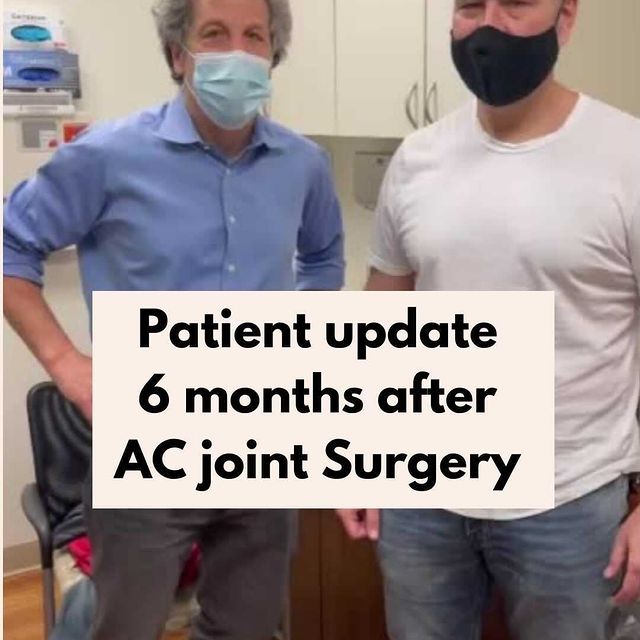
- AC Joint Separation: ligament disruption where the collarbone meets the shoulder blade.
- Rotator Cuff Tears: acute tearing from a fall or a forceful pull on the arm.
- Tendon Ruptures: biceps and pectoralis tendon injuries from sudden loading.
Why Combined Injuries Get Missed
The initial assessment after significant trauma is understandably focused on the most obvious problem. A displaced fracture dominates the X ray and the conversation, and soft tissue injuries alongside it can go unexamined until the fracture has healed and the shoulder still does not work.
- Imaging Limits: X rays show bone and reveal nothing about the labrum, cuff, or ligaments.
- Pain Masking: an acutely painful shoulder cannot be examined properly for strength or stability.
- Attention On The Obvious: the dramatic injury draws focus from the one alongside it.
- Delayed Presentation: the second problem becomes apparent only once the first has settled.
That is why a shoulder that was treated for trauma and has not returned to normal deserves reassessment rather than more time.
The Patented AC Joint Reconstruction
Among the injuries treated here, acromioclavicular separation is the one Dr. Struhl has spent the longest on. He developed and patented the reconstruction he uses, United States Patent 8,162,997, granted in 2012 and later acquired by the orthopedic device manufacturer Smith and Nephew, and published his long term outcomes in The American Journal of Sports Medicine after performing more than 200 of these procedures.
Evaluation After a Shoulder Injury
- Complete Imaging: X rays for bone, MRI for soft tissue, CT where bone loss must be measured.
- Delayed Examination: reassessing strength and stability once acute pain has settled.
- Staged Treatment: addressing the fracture first, then the soft tissue injury alongside it.
- Structured Rehabilitation: restoring motion before strength, in that order.
Schedule a Shoulder Trauma Evaluation in New York City
A shoulder injured badly enough to require emergency treatment and still not working normally months later usually has a second problem that the first assessment could not see. Dr. Struhl evaluates acute shoulder trauma and its long term consequences at his Manhattan and White Plains offices. Contact the practice to schedule an appointment.