Arthroscopic Shoulder Surgery
Shoulder arthroscopy is a surgical procedure in which an arthroscope is inserted into the shoulder joAlmost every shoulder procedure on this site is performed arthroscopically, which means through several small incisions rather than one long one. The difference matters less in the operating room than it does in the weeks afterward, when a patient whose muscles were moved aside rather than cut through recovers on a different timeline.
Steven Struhl, MD has performed more than 5,000 arthroscopic procedures across a career in practice since 1991. He is board certified in orthopedic surgery and holds separate board certification in sports medicine and arthroscopic surgery, completed his sports medicine fellowship at Penn State University, and is a member of the Arthroscopy Association of North America. He serves on the faculty of NYU School of Medicine and operates at NYU Langone Orthopedic Hospital.
What Shoulder Arthroscopy Is
An arthroscope is a fiber optic instrument roughly the width of a pencil, carrying a lens, a light source, and a video camera. Inserted through a small incision, it displays the inside of the joint on a monitor at magnification, letting the surgeon examine the cartilage, the labrum, the ligaments, and the rotator cuff directly rather than inferring their condition from imaging.
Sterile fluid is used to expand the joint, which creates both the working space and the clear view. Additional small incisions, called portals, admit the instruments used to repair what the camera finds.
Conditions Treated Arthroscopically
- Rotator Cuff Tears: the torn tendon is reattached to bone using suture anchors.
- Labral Tears: the torn cartilage rim is reattached to the socket edge.
- Shoulder Instability: the labrum and stretched capsule are repaired to restore stability.
- Frozen Shoulder: the contracted capsule is released to restore lost motion.
- Impingement: subacromial decompression creates space beneath the acromion.
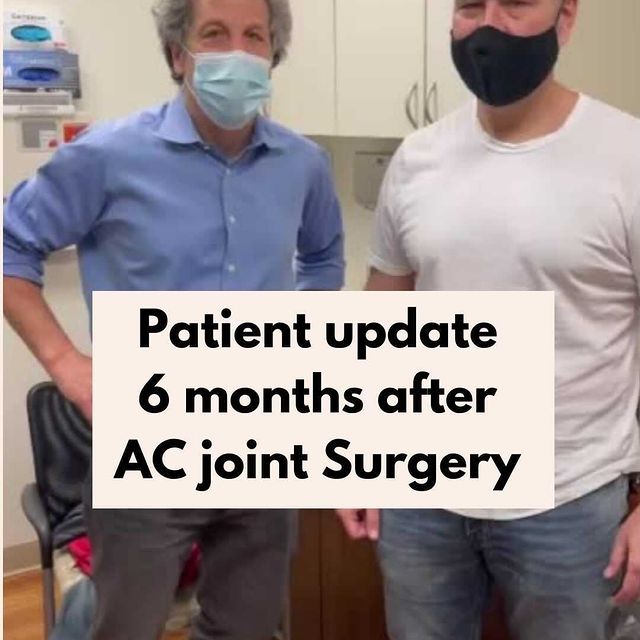
- AC Joint Arthritis: the arthritic end of the collarbone is removed.
- Biceps Tendon Injuries: the damaged tendon is repaired or reattached lower on the arm.
- Loose Bodies: fragments of cartilage or bone are located and removed from the joint.
How the Procedure Is Performed
Most shoulder arthroscopy is done on an outpatient basis, meaning the patient goes home the same day. The procedure begins with a diagnostic pass, moving the camera systematically through the joint to confirm what the imaging suggested and to find anything it missed, which happens more often than patients expect.
The repair follows once the picture is complete. Instruments passed through the additional portals handle the suturing, the anchor placement, or the release, depending on what is being treated.
Why Arthroscopy Rather Than Open Surgery
- Less Tissue Disruption: muscles and tendons are worked around rather than divided.
- Smaller Incisions: several small openings instead of one long exposure.
- Better Visualization: magnified direct view of structures an open approach can obscure.
- Faster Early Recovery: less soft tissue trauma generally means a more comfortable first weeks.
Arthroscopy is not always the right answer. Some fractures, some revision cases, and some large or retracted tears are better served by an open approach, and choosing the smaller incision when the problem calls for a larger one serves nobody.
Recovery After Shoulder Arthroscopy
- The First 24 Hours: a bandage covers the portals and is typically removed the following day.
- Swelling And Ice: modest swelling is normal, and ice for twenty minutes several times daily helps.
- Pain Management: medication is prescribed for the early period when discomfort is greatest.
- First Follow Up: a visit is scheduled roughly seven to ten days after surgery.
The larger recovery depends entirely on what was repaired. A diagnostic arthroscopy with a loose body removed is a short recovery. A rotator cuff repair or a labral reconstruction involves a sling and a structured therapy program measured in months, because the tissue has to heal back to bone.
Schedule a Shoulder Consultation in New York City
Whether a shoulder problem is best addressed arthroscopically is a question that follows the diagnosis rather than preceding it, which is why an evaluation starts with establishing what is actually injured. Dr. Struhl sees patients at his Manhattan and White Plains offices and reviews outside imaging for patients traveling from elsewhere. Contact the practice to schedule an evaluation, and bring any MRI images you already have.